Why Remove Polyps?
Polyps, especially adenomatous and sessile serrated polyps, can eventually transform into colon cancer if they are not removed. Colon cancer typically starts with these polyps, and as they grow and change, they may develop abnormal cells that can invade surrounding tissues.
By removing polyps early, during routine screenings such as colonoscopy, the risk of colon cancer can be reduced significantly. Regular removal of polyps can prevent cancer from forming in the first place.
How Are Polyps Removed?
Polyps are typically removed during a colonoscopy, which is a procedure that allows doctors to examine the entire colon using a flexible tube with a camera (colonoscope). If polyps are detected during the procedure, they can usually be removed at the same time. The method used for removal depends on the size, location, and type of polyp.
1. Polypectomy: The Standard Removal Method
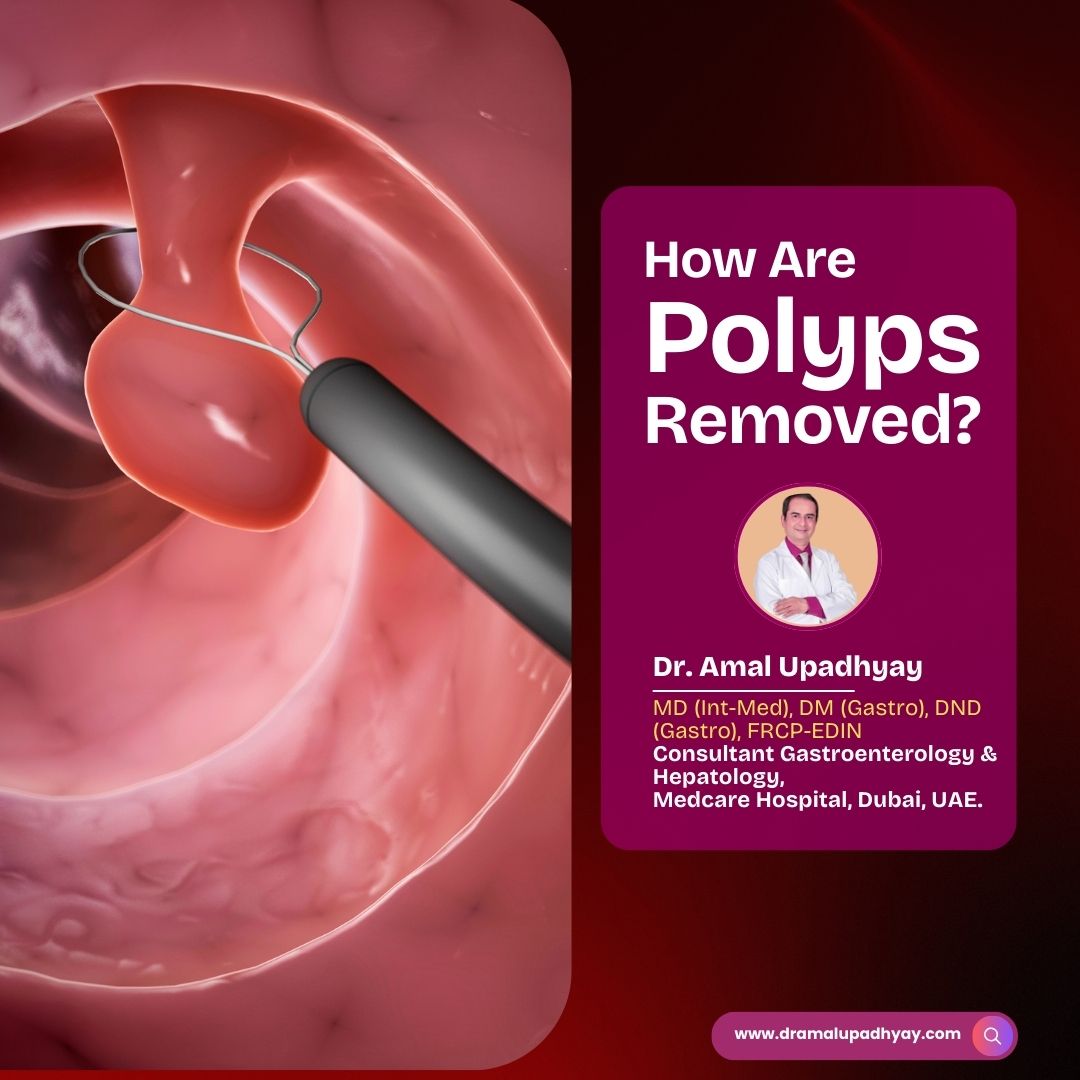
- How It Works: A polypectomy is the most common method used to remove polyps during a colonoscopy. A wire loop or snare is passed through the colonoscope, which is then used to cut the polyp from the colon lining.
- When It’s Used: This method is effective for small to medium-sized polyps. The polyp is gently snared and removed, with minimal risk of bleeding.
- Recovery: After a polypectomy, you may experience mild cramping or bloating, but these symptoms typically resolve quickly. Most people can resume normal activities within a day or two.
2. Endoscopic Mucosal Resection (EMR): For Larger Polyps
- How It Works: EMR is used for larger or sessile polyps (those that lie flat against the colon wall). During this procedure, a special tool is used to inject a solution beneath the polyp to lift it off the colon lining. The polyp is then removed using a snare or another surgical instrument.
- When It’s Used: EMR is typically performed when polyps are too large to be removed with a regular polypectomy. It’s also used for polyps that are difficult to reach with traditional instruments.
- Recovery: Recovery time after EMR is similar to that of a standard polypectomy, although the procedure may take longer, and more careful monitoring may be needed for larger polyps.
3. Endoscopic Submucosal Dissection (ESD): For Very Large or Difficult-to-Remove Polyps
- How It Works: ESD is a more advanced technique used to remove very large or flat polyps that cannot be easily removed with standard polypectomy or EMR. It involves making precise incisions in the colon lining to remove the entire polyp in one piece.
- When It’s Used: ESD is typically reserved for polyps that are too large or too deep for other removal methods. It requires highly skilled endoscopists and is usually performed in specialized centers.
- Recovery: ESD may require longer recovery times and more careful post-procedure monitoring due to the complexity of the procedure.
4. Surgical Removal: For Invasive or Inoperable Polyps
- How It Works: In rare cases where a polyp cannot be removed safely through endoscopy, surgery may be needed. This involves removing a section of the colon (partial colectomy) that contains the polyp.
- When It’s Used: Surgery is typically used for polyps that are suspected of being cancerous or those that cannot be removed by endoscopic means.
- Recovery: Recovery from surgery can take several weeks, and it may require a longer hospital stay depending on the extent of the procedure.