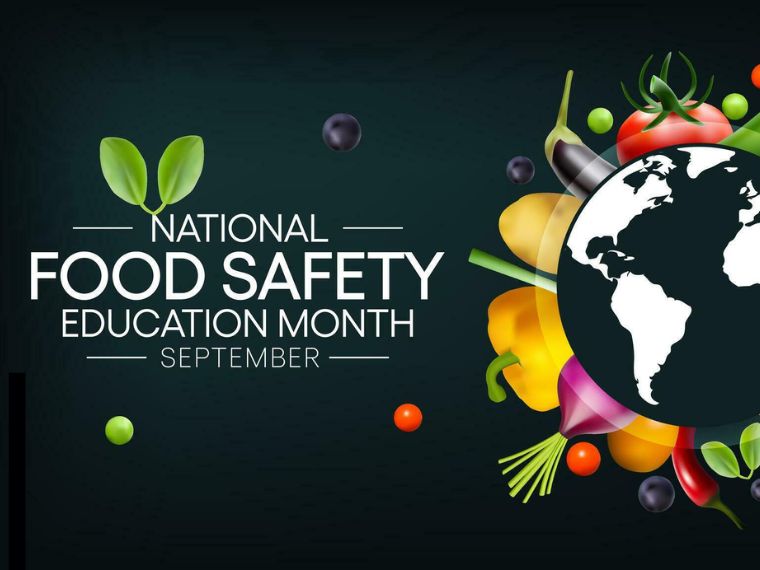
Food Safety Education Month: Protecting Your Health Through Safe Eating Practices
Every September, Food Safety Education Month serves as an important reminder of the vital role food safety plays in protecting our health and preventing disease. As a gastroenterologist, I frequently see patients with gastrointestinal infections, foodborne illnesses, and long-term digestive complications—many of which could have been prevented with safe food practices.
Why Food Safety Matters
Foodborne illnesses are caused by harmful bacteria, viruses, parasites, or toxins that contaminate the food we eat. According to the World Health Organization, millions of people worldwide fall ill each year from unsafe food, with children, pregnant women, the elderly, and those with weakened immune systems being at highest risk.
Contaminated food can lead to symptoms such as nausea, vomiting, abdominal pain, and diarrhea. In severe cases, it can cause dehydration, liver disease, or even life-threatening infections. Preventing these illnesses starts with awareness and education.
Key Principles of Food Safety
- Clean – Wash your hands, cooking surfaces, and utensils regularly. Rinse fruits and vegetables thoroughly.
- Separate – Keep raw meat, seafood, and poultry away from ready-to-eat foods to avoid cross-contamination.
- Cook – Always cook food to the right temperature to kill harmful microorganisms.
- Chill – Refrigerate food promptly. Never leave perishable food at room temperature for more than two hours.
The Link Between Food and Digestive Health
As a gastroenterologist, I emphasize that food safety is not just about avoiding infections—it’s also about maintaining long-term digestive health. Repeated exposure to contaminated food can increase the risk of chronic conditions such as irritable bowel syndrome (IBS), liver damage from foodborne hepatitis, and nutritional deficiencies.
Tips for Safer Eating at Home and Outside
- Be cautious when eating raw foods such as sushi, oysters, or undercooked eggs.
- When dining out, ensure restaurants follow hygiene practices.
- Check expiry dates and proper storage instructions on packaged foods.
- Stay hydrated and seek medical advice if you experience severe or prolonged digestive symptoms after eating.