By Dr. Amal Premchandra Upadhyay
Consultant – Gastroenterology & Hepatology, Medcare Hospitals, Dubai, UAE
Understanding GI Bleeding
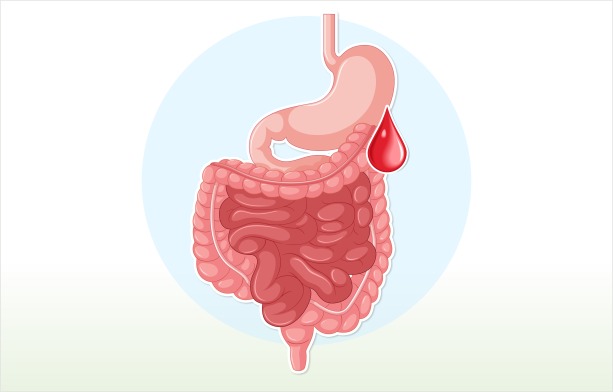
Gastrointestinal (GI) bleeding refers to bleeding that occurs anywhere along the digestive tract—from the esophagus to the rectum. It can range from mild to life-threatening and may present as vomiting blood, passing black or tarry stools, or noticing fresh blood in the stool.
GI bleeding is not a disease itself but a symptom of an underlying condition, such as ulcers, hemorrhoids, diverticulosis, inflammatory bowel disease, or tumors.
Why It’s an Emergency
Significant or ongoing bleeding can cause:
- Severe blood loss leading to anemia or shock
- Low blood pressure, dizziness, or fainting
- Risk to vital organs from reduced oxygen supply
Prompt diagnosis and treatment are critical to prevent complications.
Diagnosing the Source
The first step in treatment is identifying the cause and location of bleeding. Common diagnostic tools include:
- Endoscopy – Allows direct visualization of the upper GI tract
- Colonoscopy – Examines the colon and rectum
- Capsule endoscopy – A swallowable camera for small intestine evaluation
- CT angiography – Helps locate active bleeding when endoscopy is inconclusive
How GI Bleeding is Treated and Controlled
Treatment depends on the cause, location, and severity:
- Stabilization
- Intravenous fluids and blood transfusions if needed
- Oxygen support in severe cases
- Endoscopic Therapy(first-line treatment)
- Injection therapy – Injecting medications to constrict blood vessels
- Thermal coagulation – Using heat to seal bleeding vessels
- Hemoclips/bands – Physically closing the bleeding site
- Medications
- Proton pump inhibitors (PPIs) for bleeding ulcers
- Antibiotics in certain cases (e.g., variceal bleeding in liver disease)
- Drugs to reduce portal hypertension in liver-related bleeding
- Interventional Radiology or Surgery
- If endoscopic measures fail, minimally invasive procedures or surgery may be necessary to stop the bleeding.
Preventing Recurrence
- Treating the underlying cause (e.g., eradicating H. pylori infection in ulcers)
- Avoiding unnecessary NSAIDs and excessive alcohol
- Managing chronic conditions like liver disease or inflammatory bowel disease
- Regular follow-up endoscopies for high-risk patients
Final Thoughts from Dr. Amal
GI bleeding can be frightening, but modern diagnostic and treatment techniques allow us to control it quickly and effectively. The most important step is not to ignore symptoms—seek medical help immediately if you notice blood in your stool or vomit, or experience unexplained anemia and weakness.
Whatsapp / Message +971568383473
Email amal.upadhyay@medcarehospital.com
Hospitals: