By Dr. Amal Premchandra Upadhyay
Consultant – Gastroenterology & Hepatology, Medcare Hospitals, Dubai, UAE
Understanding Chronic Hepatitis
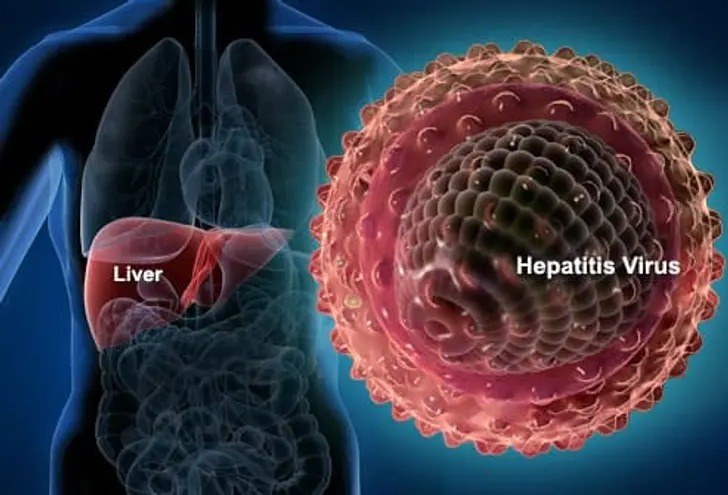
Chronic hepatitis refers to long-term inflammation of the liver, lasting more than six months. It is most commonly caused by hepatitis B or C viruses, but can also result from excessive alcohol use, autoimmune conditions, certain medications, and metabolic disorders.
Because the liver can continue to function despite damage, chronic hepatitis often develops silently, without obvious symptoms in its early stages. This is why it’s often referred to as a “hidden threat”.
Why It’s Dangerous
Ongoing inflammation can lead to scarring of the liver (fibrosis) and, over time, advanced scarring (cirrhosis). In some cases, chronic hepatitis can progress to liver failure or liver cancer.
Without timely diagnosis and treatment, damage may be irreversible. Early detection offers the best chance for controlling the disease and preventing complications.
Common Causes
Viral Hepatitis – Chronic hepatitis B and C are major global causes.
Alcohol-related Liver Disease – Long-term excessive drinking damages liver cells.
Non-alcoholic Fatty Liver Disease (NAFLD) – Linked to obesity, diabetes, and high cholesterol.
Autoimmune Hepatitis – The immune system mistakenly attacks the liver.
Drug-induced Liver Injury – Certain medications and herbal supplements can harm the liver over time.
Signs and Symptoms to Watch For
In early stages, symptoms may be absent or mild, such as:
Fatigue
Abdominal discomfort
Loss of appetite
As damage progresses, signs may include:
Yellowing of the skin and eyes (jaundice)
Swelling in the abdomen or legs
Easy bruising or bleeding
Dark urine and pale stools
Diagnosis and Management
Chronic hepatitis is diagnosed through:
Blood tests – To detect liver enzymes, viral markers, or autoimmune antibodies
Imaging – Ultrasound, CT scan, or MRI to assess liver structure
Liver biopsy – In selected cases to evaluate the extent of damage
Treatment depends on the cause:
Antiviral medications for hepatitis B and C
Lifestyle changes such as reducing alcohol and maintaining a healthy weight
Immunosuppressive therapy for autoimmune hepatitis
Monitoring for liver cancer in high-risk patients
Protecting Your Liver – Dr. Amal’s Advice
Get vaccinated against hepatitis B if you haven’t already
Avoid sharing needles or personal items that can transmit viruses
Limit alcohol consumption
Maintain a balanced diet and regular exercise routine
Have routine liver function tests if you are at risk
Whatsapp / Message +971568383473
Email amal.upadhyay@medcarehospital.com
Hospitals:
Medcare Hospital, Al Saffah, Dubai.
Medcare Women and Children hospital. Sheikh Zayed Road,Al Saffah, Dubai
Medcare Royal Specialty Hospital, Al Qusais 2, Dubai.